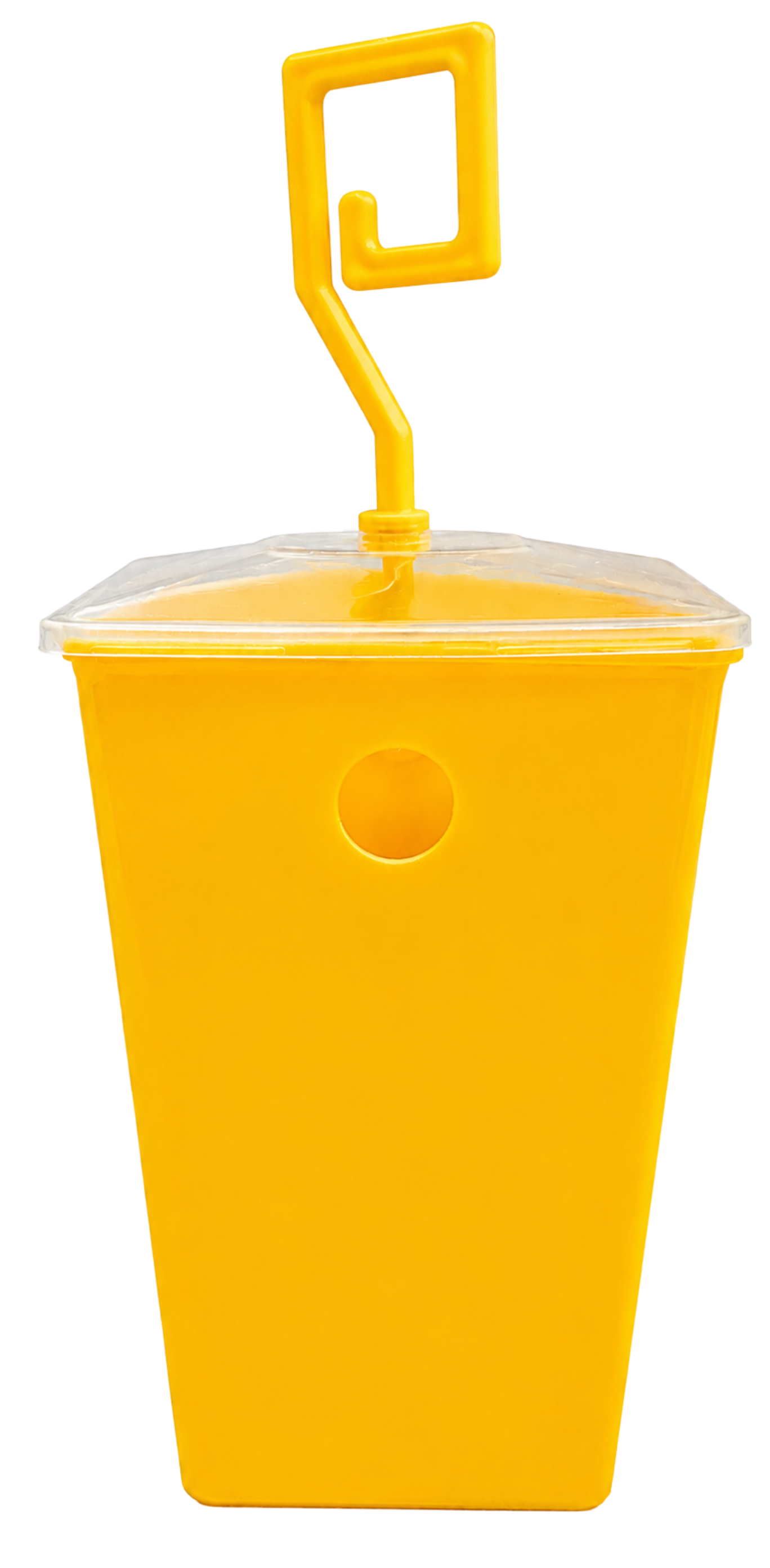
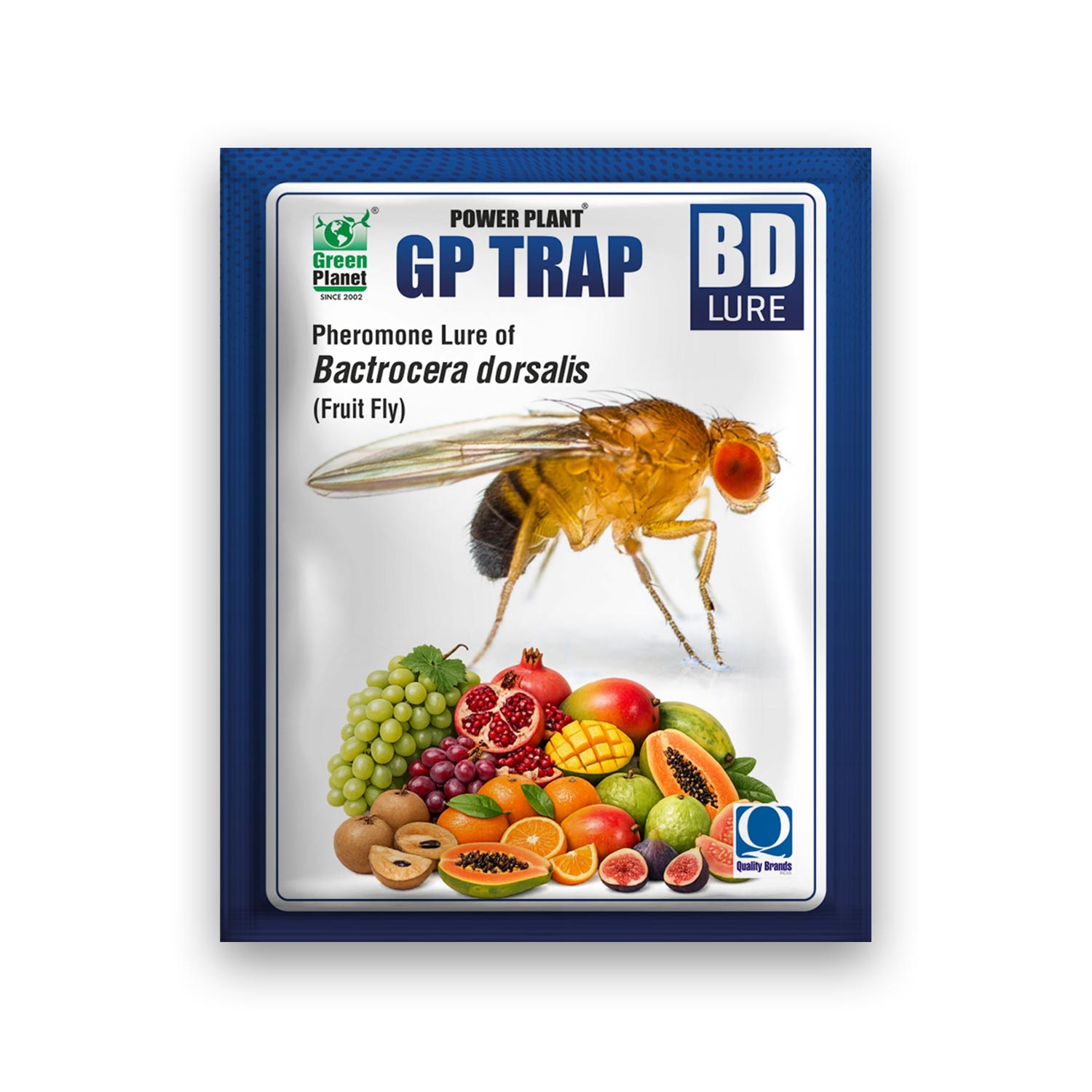
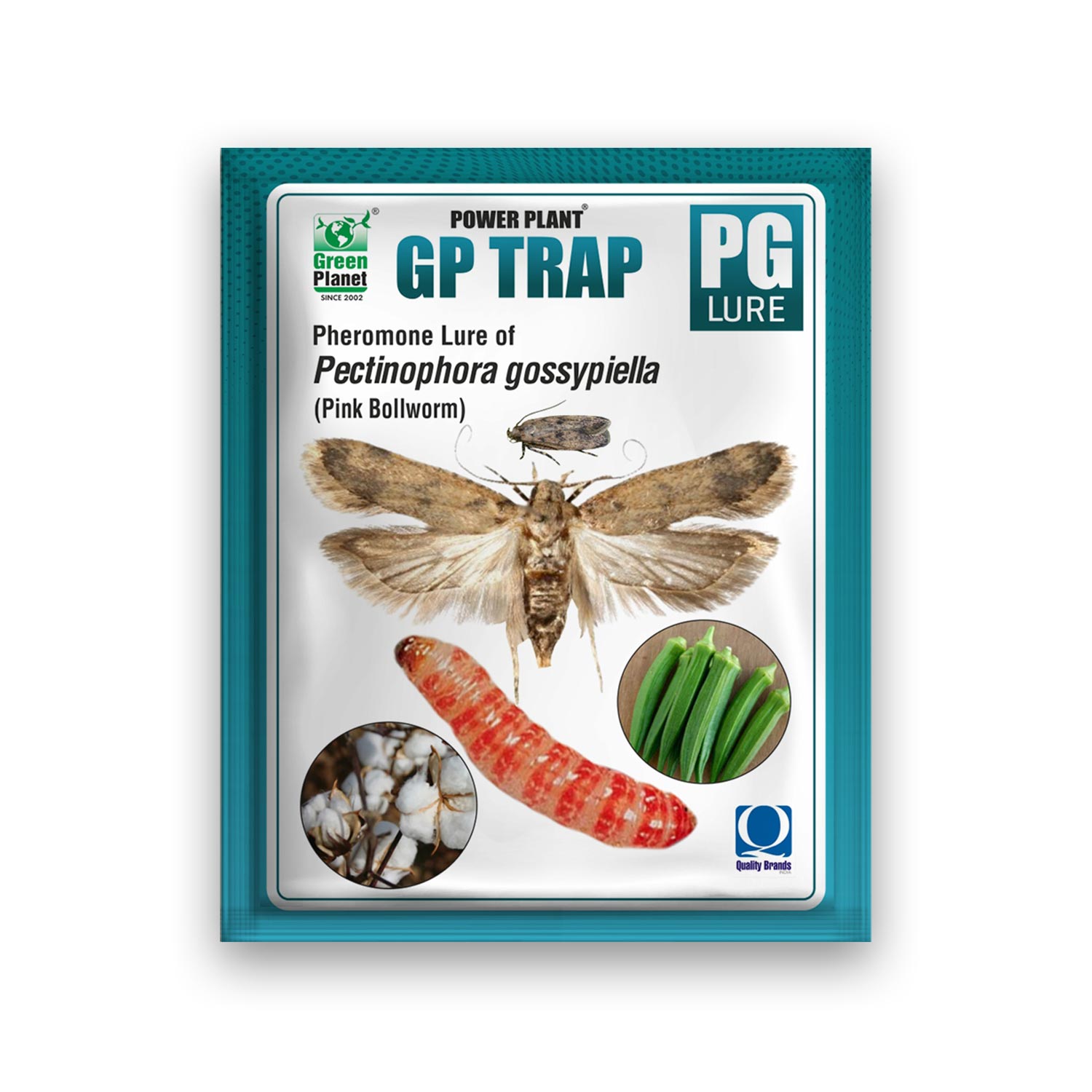
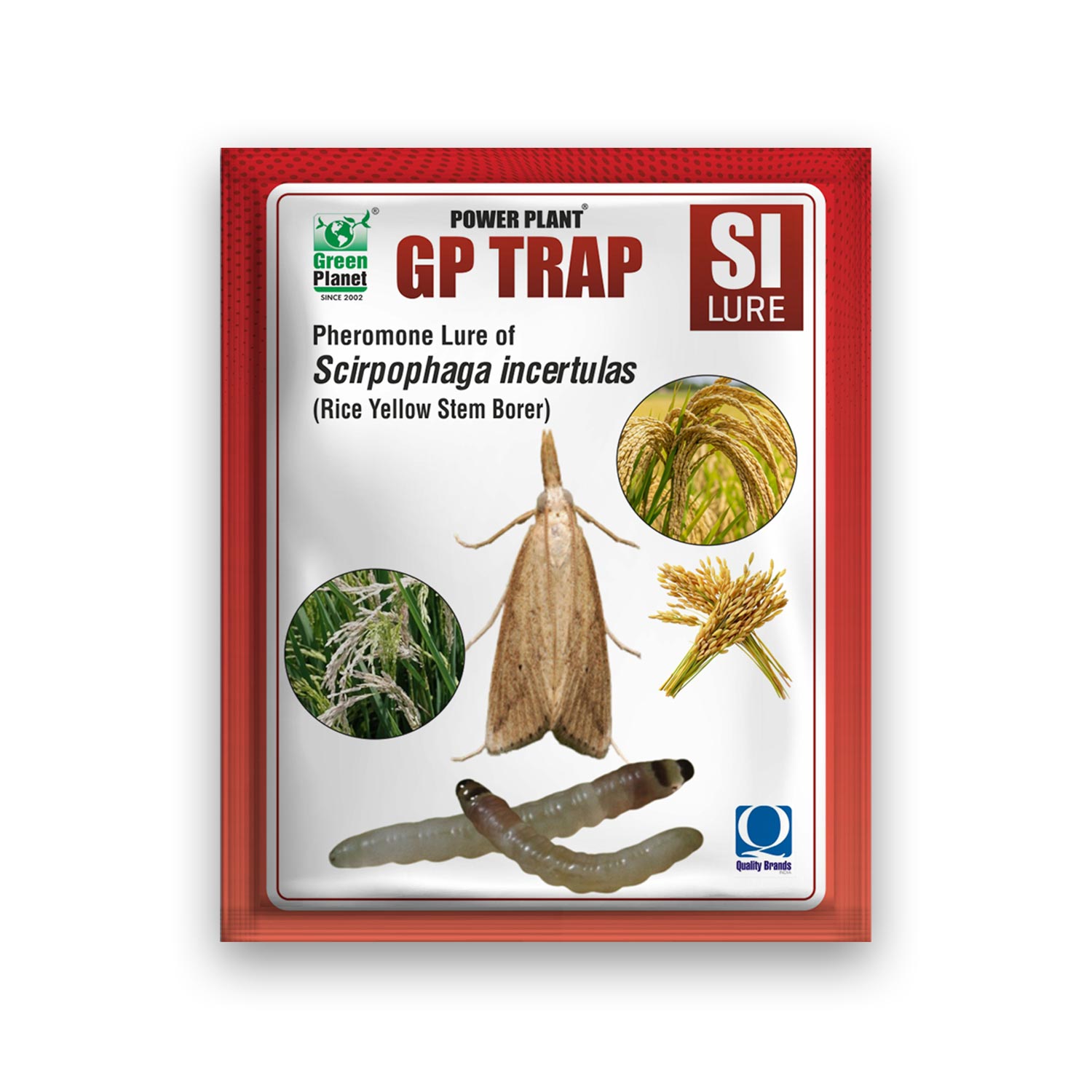
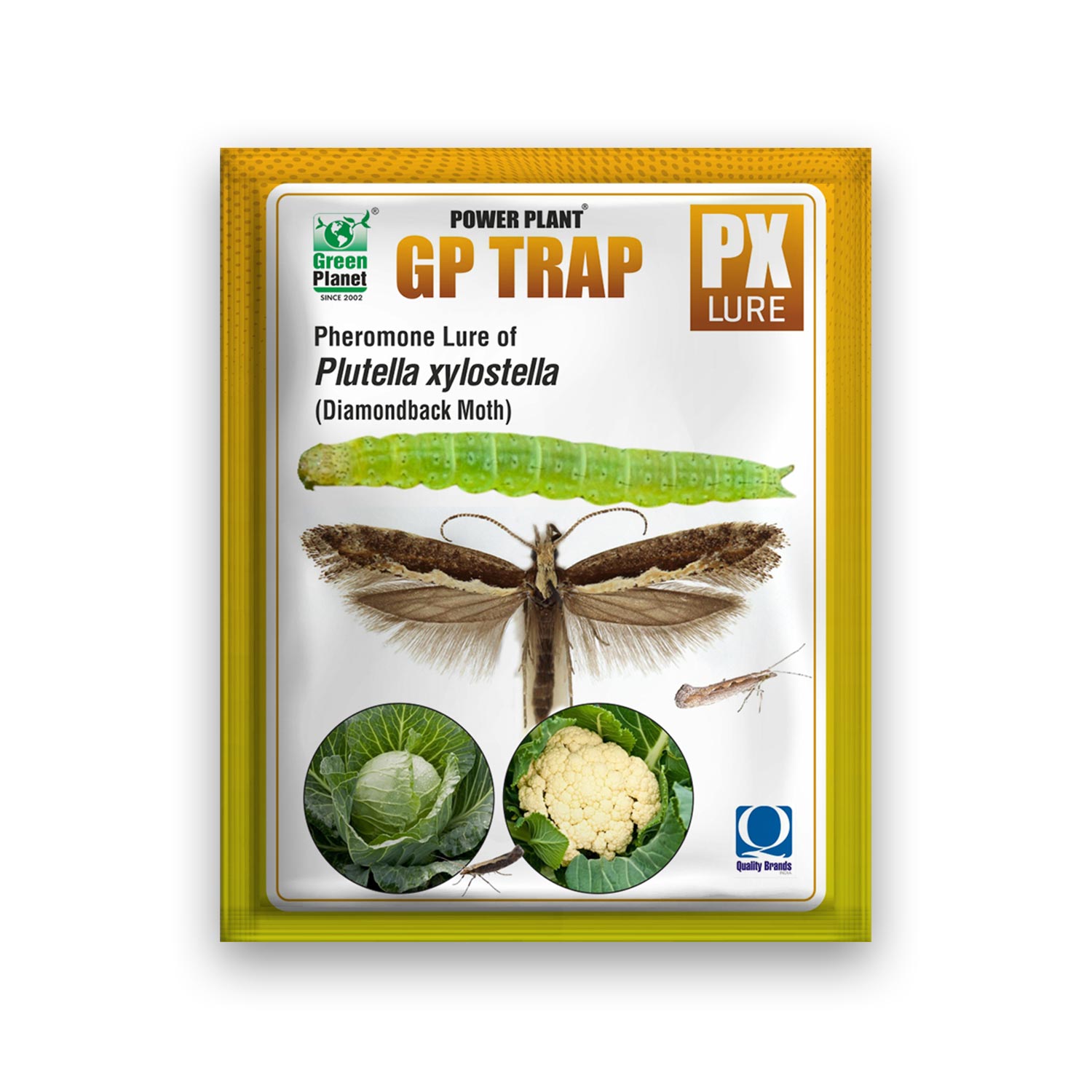
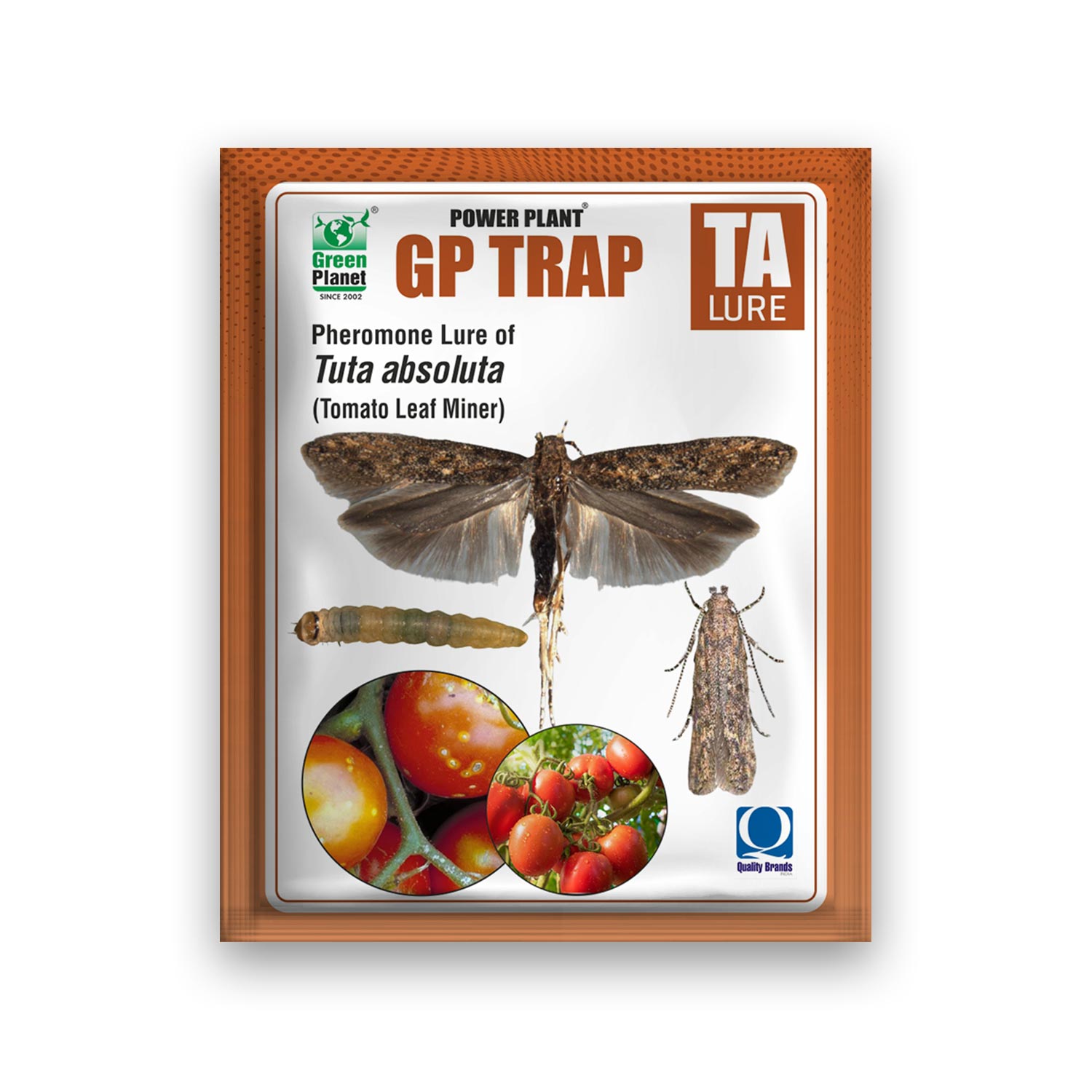
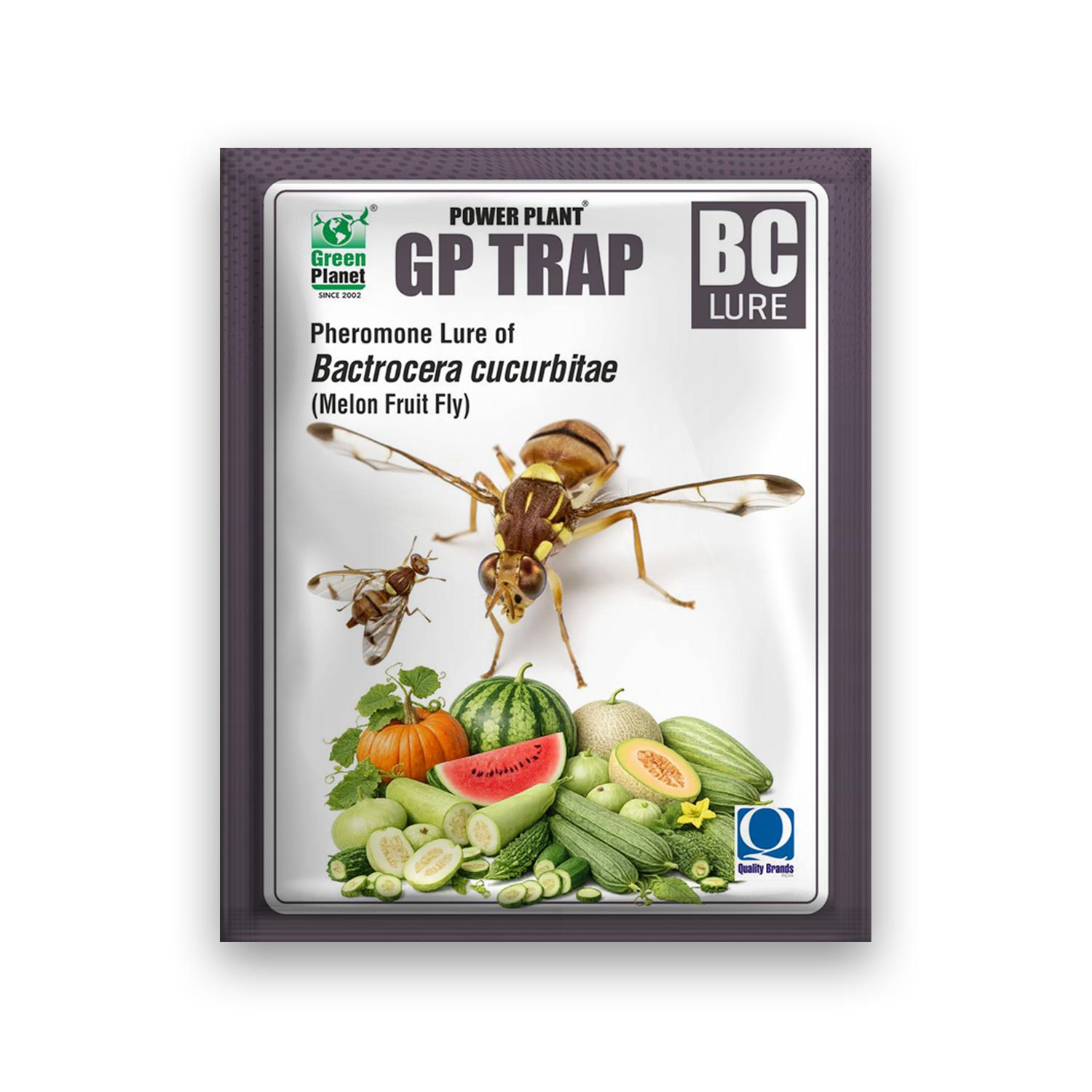
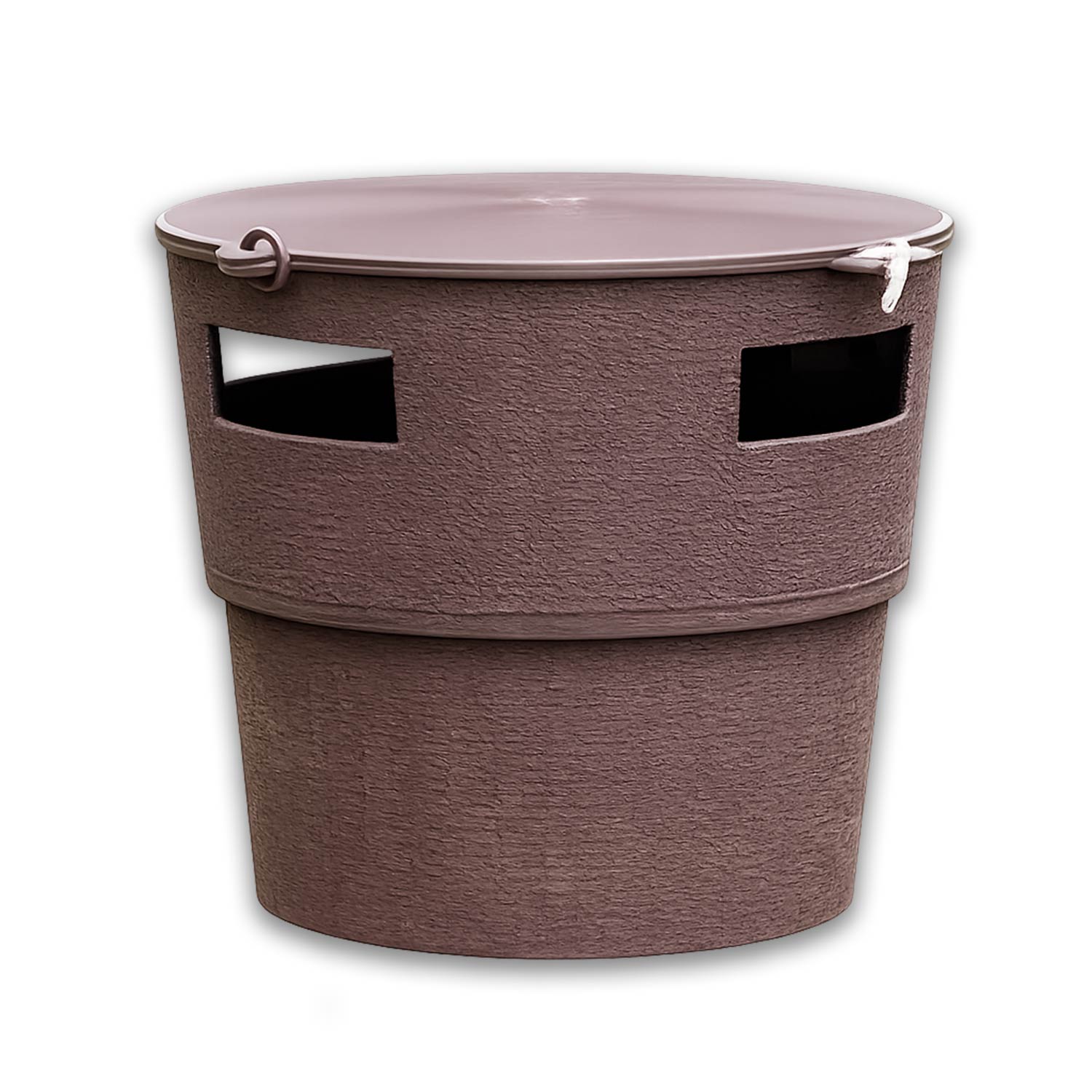
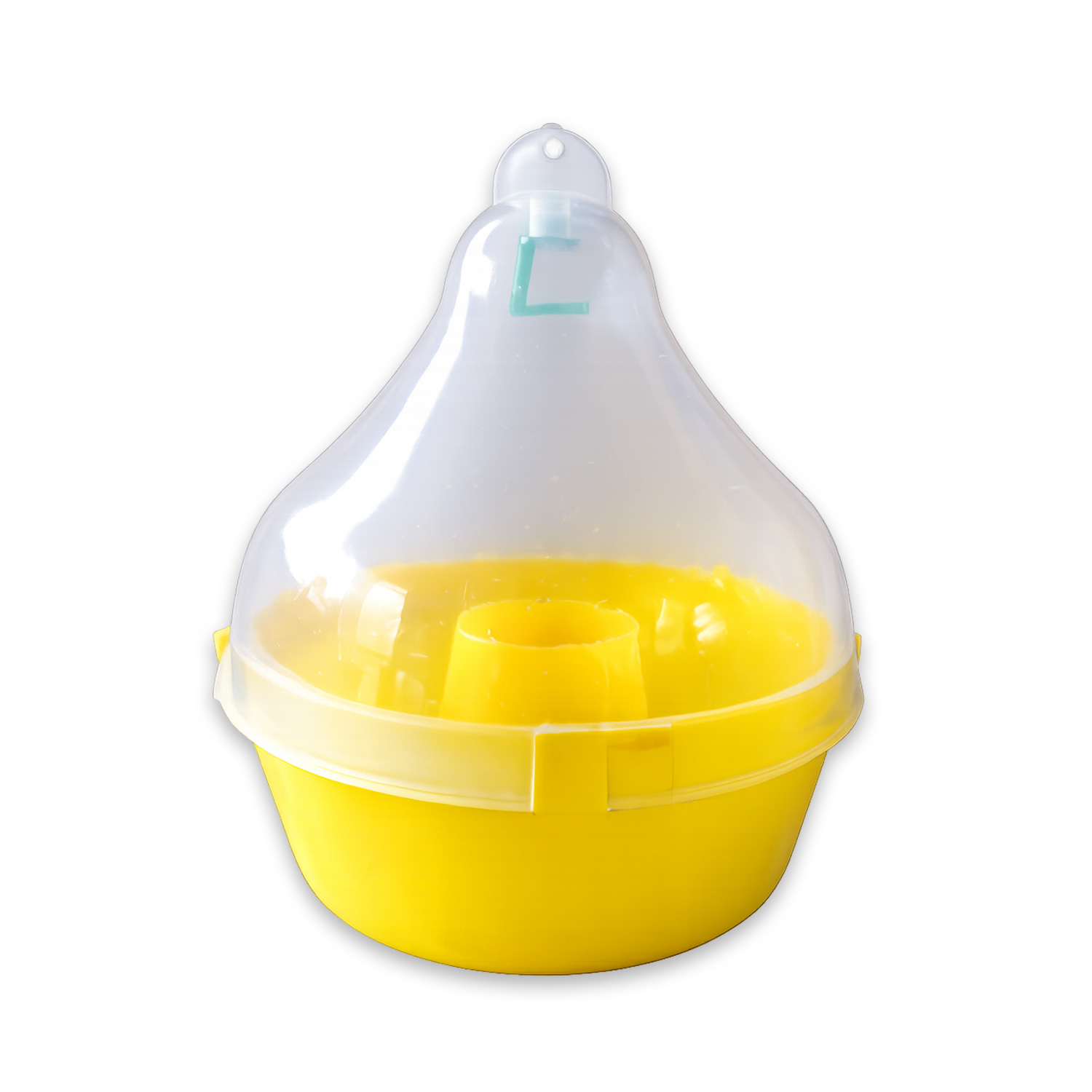
GP Traps Fruit Fly are an important component of Integrated Pest Management (IPM) in horticultural ecosystems. These traps help farmers monitor pest population intensity on a daily basis and act as an early warning system. By analyzing trap data, farmers can take timely pest control measures even before egg laying begins, thereby reducing crop damage significantly. Fruit fly traps are also used for monitoring and mass trapping, commonly known as the Male Annihilation Technique (MAT), particularly for controlling Bactrocera species. This makes them highly beneficial for both farmers and the environment by enabling precise and need-based pest management.
Crops
Suitable for a wide range of fruit and vegetable crops including:
Grapes, Pomegranate, Mango, Sapota, Sweet orange, Mandarin orange, Lemon, Guava, Fig, Papaya, Watermelon, Muskmelon, Pumpkin, Cucumber, Bottle gourd, Ridge gourd, Bitter gourd, Tinda, Parwal and more.
Target Pests
- Bactrocera dorsalis (Oriental fruit fly)
- Bactrocera cucurbitae (Melon fruit fly)
Benefits
- Cost-effective, simple, and easy to use
- Specially designed for all types of fruit flies
- Helps in early detection and monitoring of pest presence
- Reduces crop damage and improves yield quality
- Safe for beneficial and pollinating insects
- Easy to install, monitor, and maintain
- Strong, durable, and long-lasting
- Wind and waterproof design
- High efficiency – catches up to 3 times more insects than conventional traps
- Eco-friendly design that prevents entry of beneficial insects
- Easy observation and record keeping of pest population
- Saves time – multiple traps can be serviced quickly
- Preserves insects for species identification and monitoring
- Large capacity – can hold up to 3000 flies, reducing cleaning frequency
Working Principle
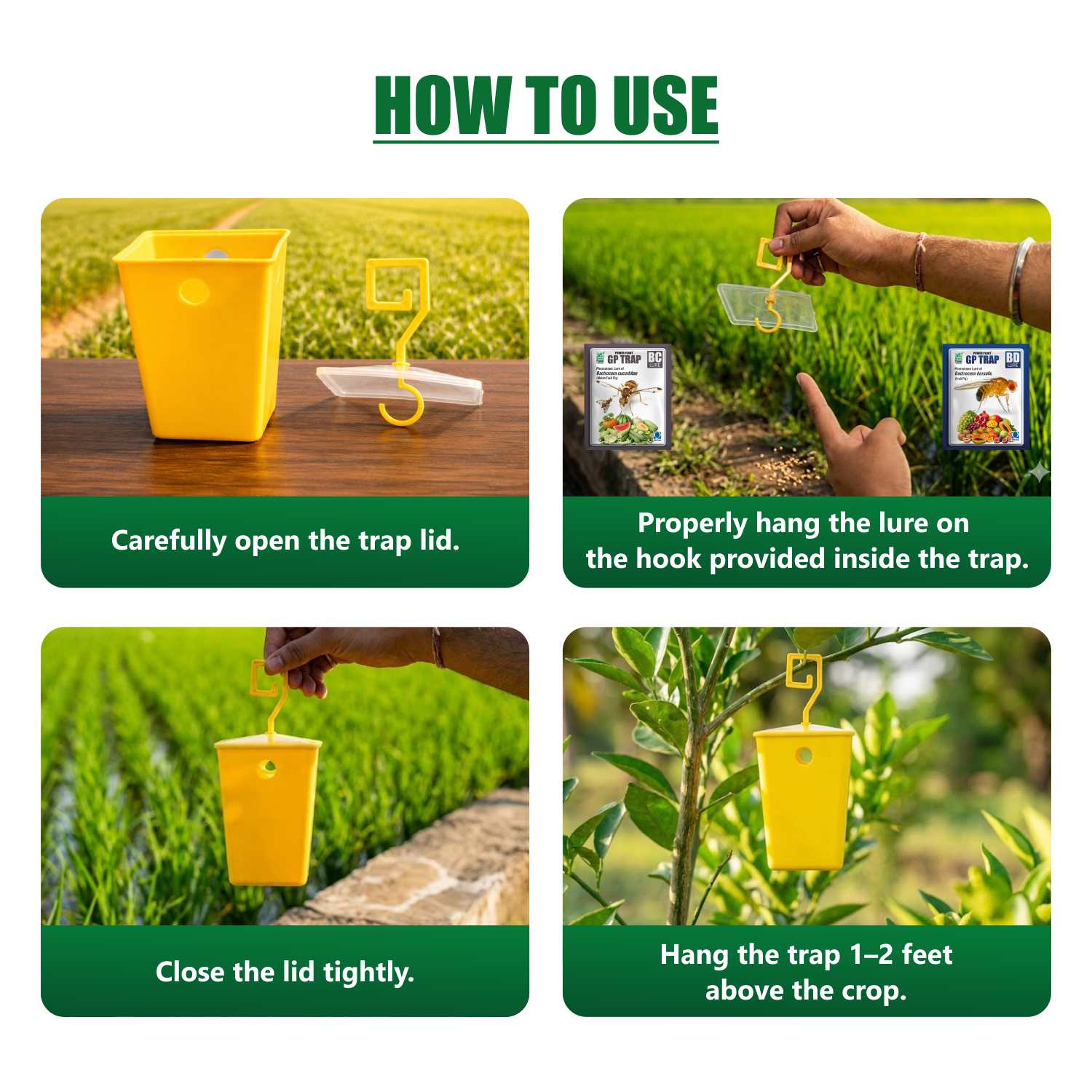
The trap uses attractants (lures) to attract male fruit flies. Once attracted, the flies enter the trap and are unable to escape, eventually getting trapped and killed. This reduces mating and helps control the pest population effectively.
Key Highlights
- Supports Integrated Pest Management (IPM)
- Enables timely pest control decisions
- Reduces chemical pesticide usage
- Improves environmental safety and crop health