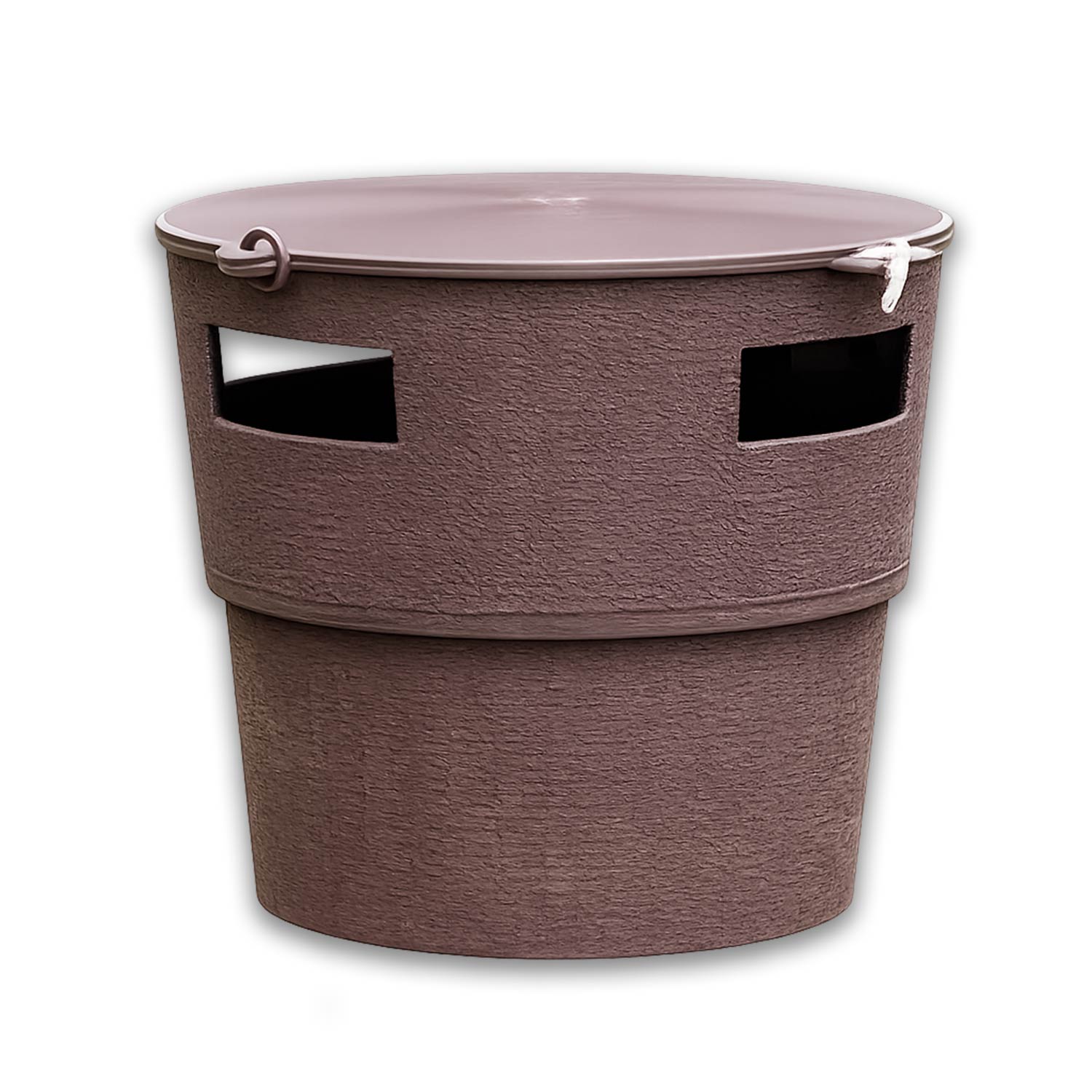
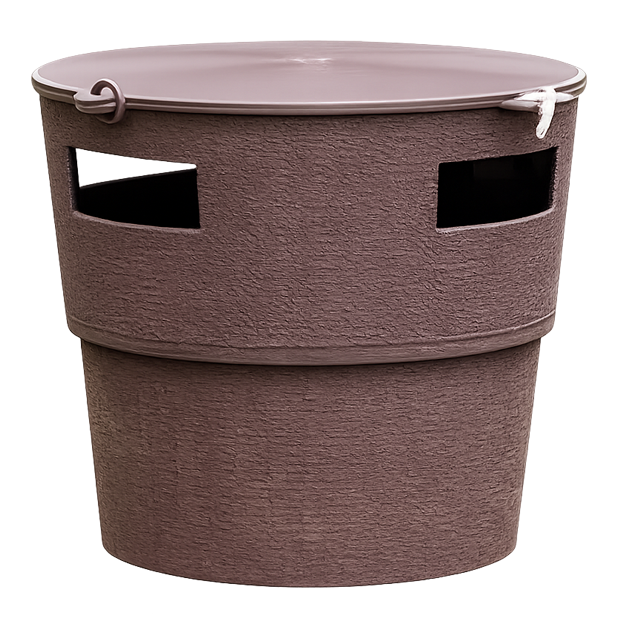
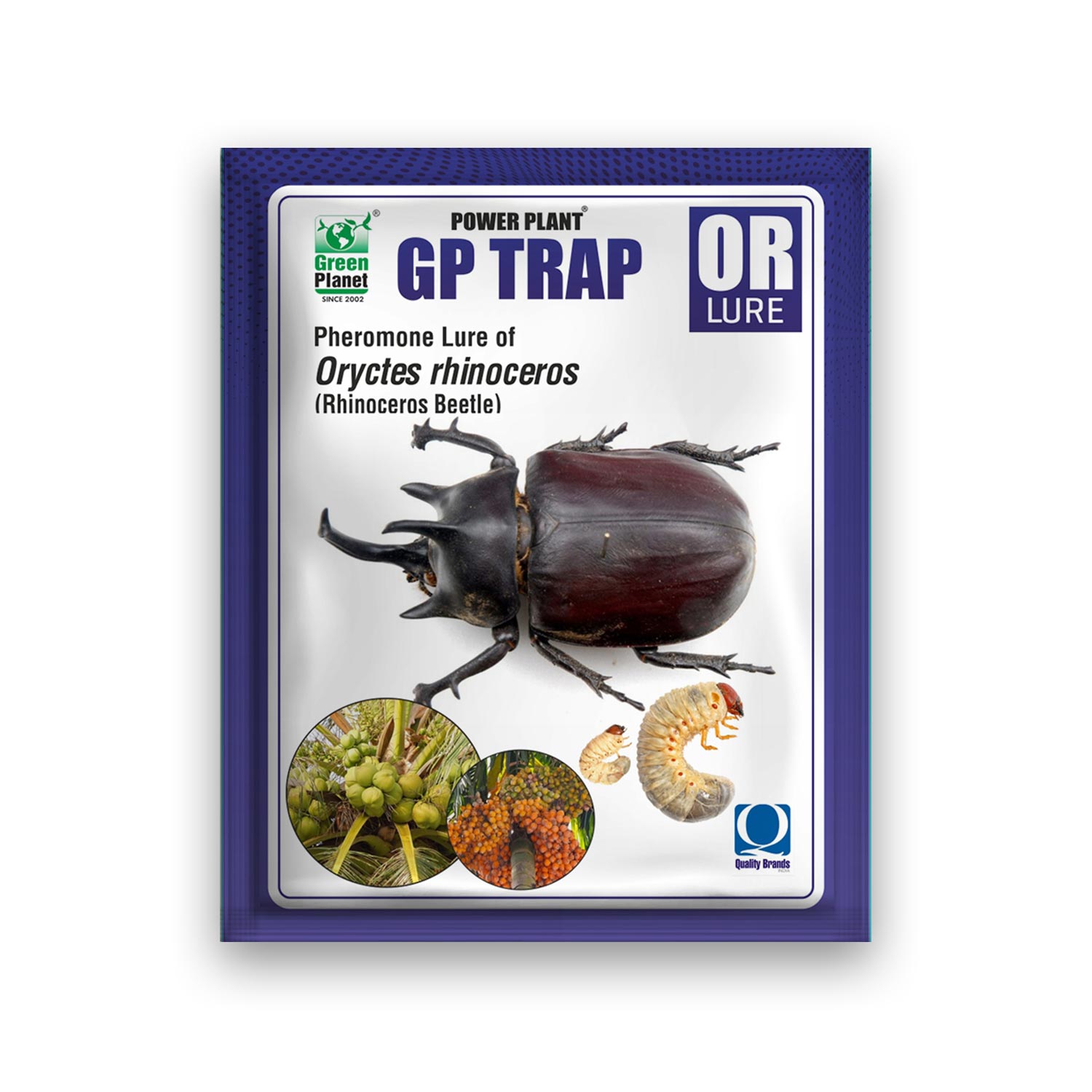
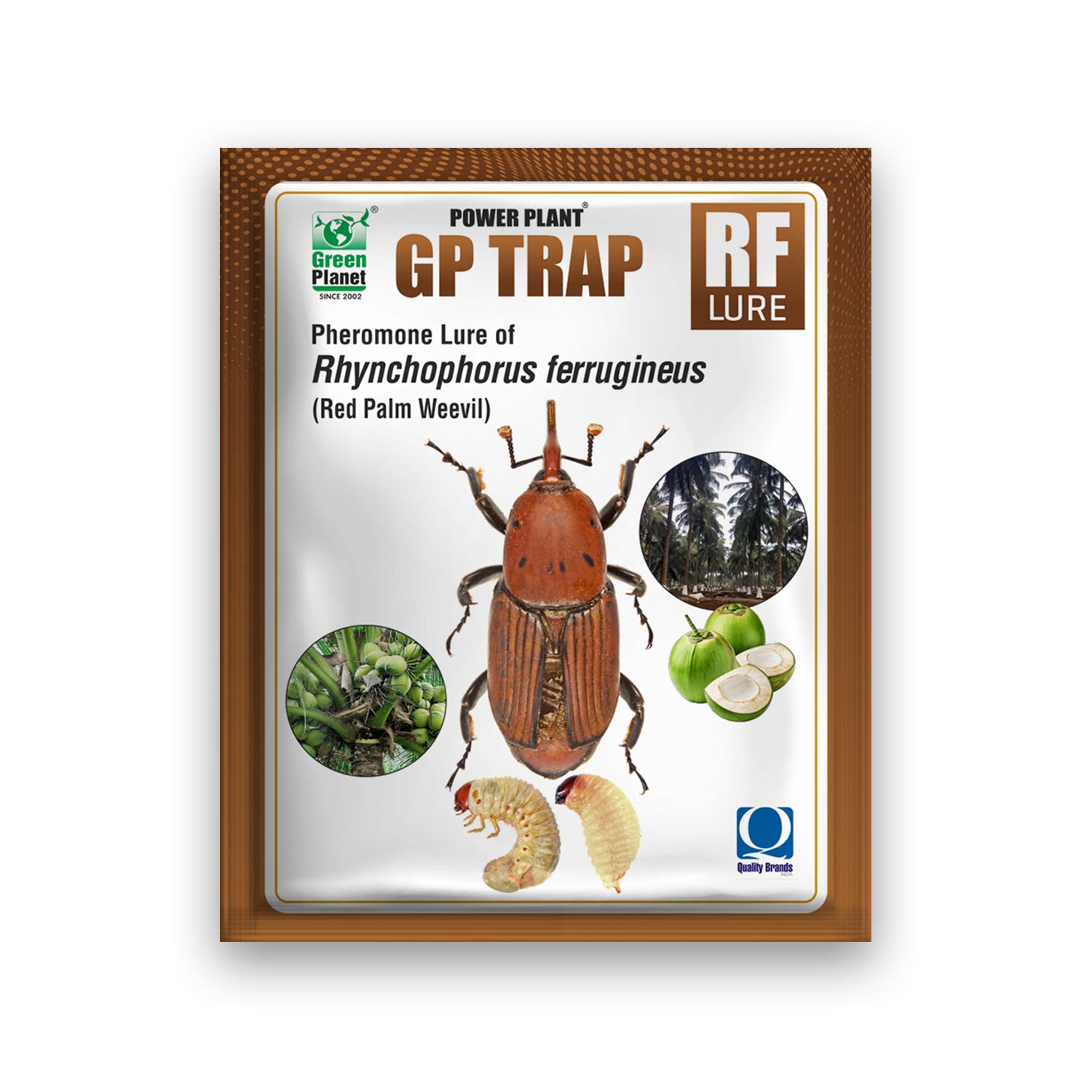
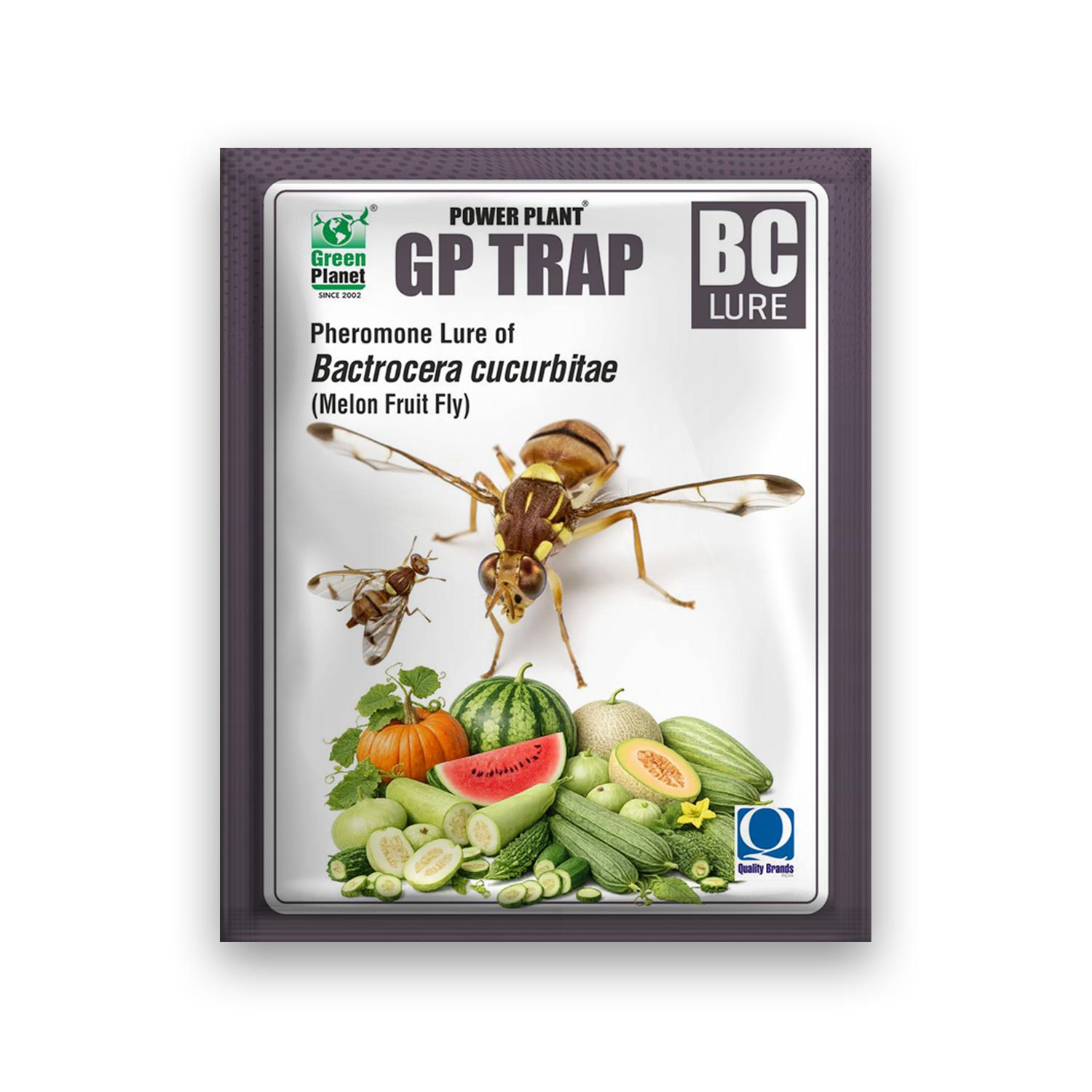
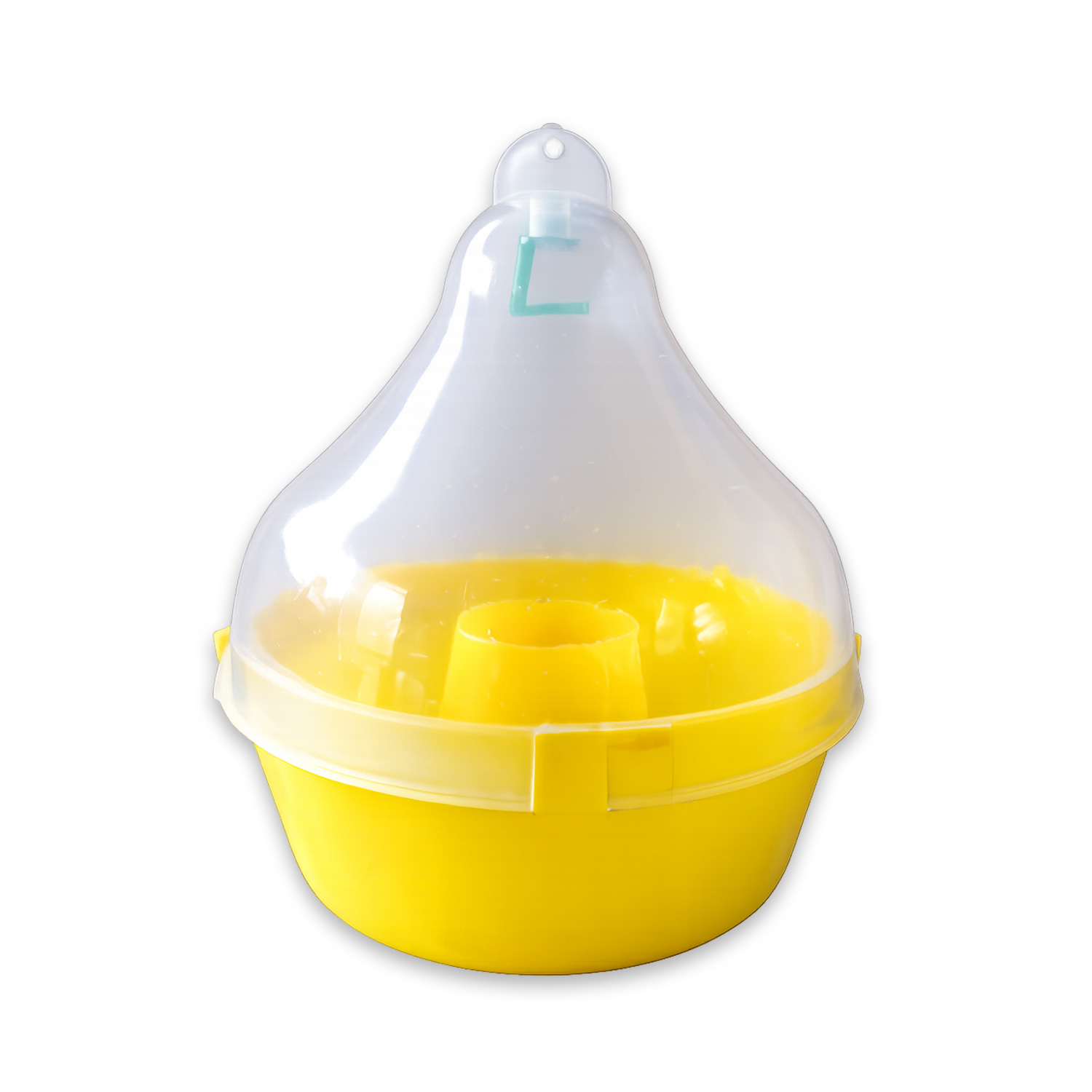
GP Trap Bucket with interlocking plastic vanes is a highly efficient and reliable device for monitoring and controlling major palm pests such as red palm weevil and rhinoceros beetle. Designed for easy handling and long-term use, this trap allows farmers to effectively track pest activity and reduce infestation levels through mass trapping. The pheromone lure is securely attached within the trap structure, attracting target insects into the system. Its sturdy construction and user-friendly design make it suitable for multi-season use, with easy cleaning and removal of trapped insects.
Crop
Target Pests
- Red Palm Weevil
- Rhinoceros Beetle
Trap Density
Trap Position
Lure Handling Guidelines
- Pheromone lures are sensitive to heat and direct sunlight
- Avoid direct exposure to high temperatures
- Do not touch lures with bare hands to prevent contamination
- Keep away from substances like nicotine, which may reduce trap effectiveness
Working & Structure
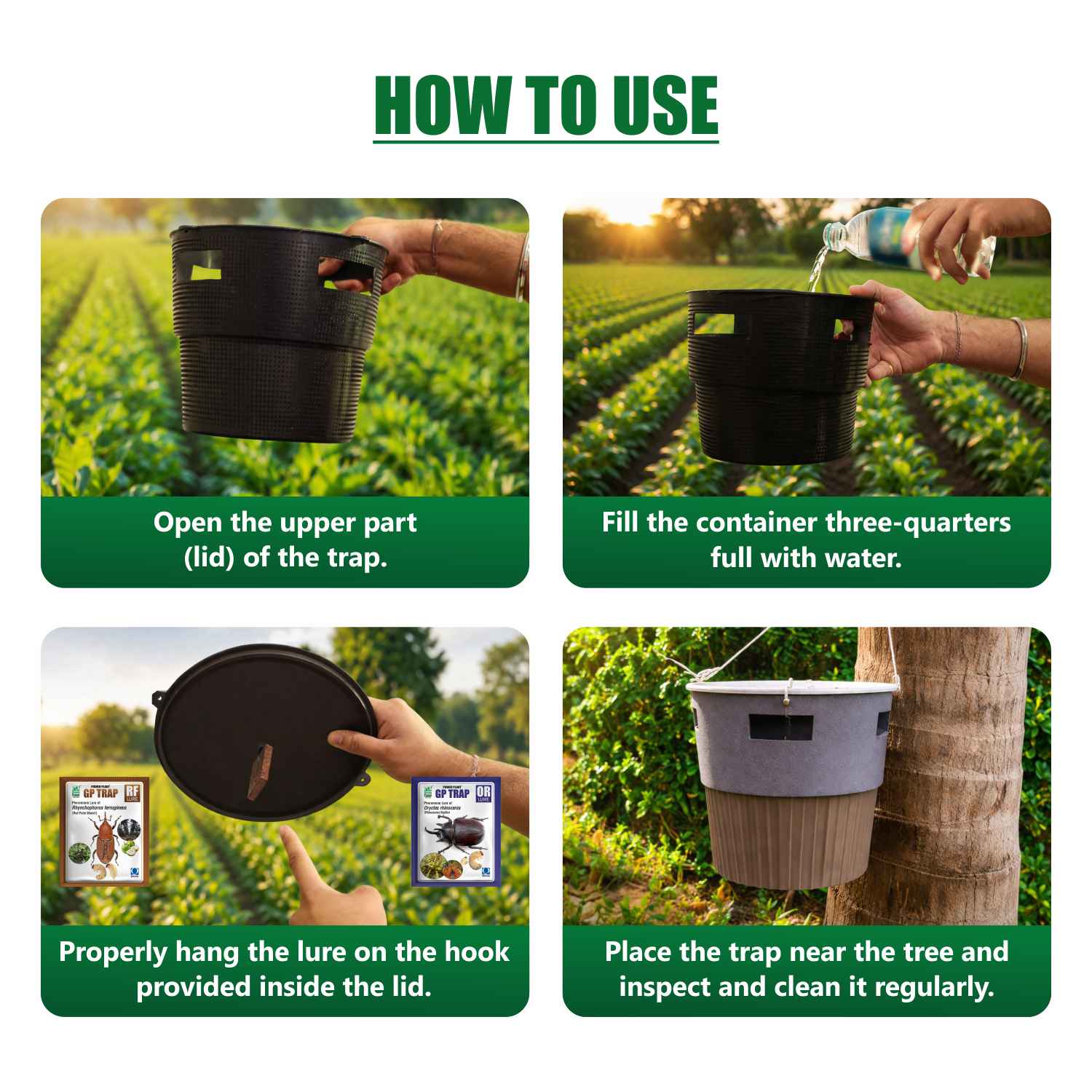
The trap consists of three heavy-duty components that fit together easily to form a durable unit. It is suspended using a wire or string attached to the top dome lid. The pheromone lure is placed inside the dome, which attracts insects into the trap. Once inside, the insects are unable to escape and are collected in the trap chamber. This system is highly effective for both monitoring pest populations and reducing their numbers through mass trapping.
Key Benefits
- Simple and quick to assemble
- Easy to install and maintain
- Suitable for multi-season use
- Durable and weather-resistant
- Helps in early pest detection
- Supports mass trapping and population control
- Reduces crop damage
- Eco-friendly and chemical-free method
GP Trap Bucket with interlocking plastic vanes is a highly efficient and reliable device for monitoring and controlling major palm pests such as red palm weevil and rhinoceros beetle. Designed for easy handling and long-term use, this trap allows farmers to effectively track pest activity and reduce infestation levels through mass trapping. The
Read More